Walk into most modern martial arts demonstrations and you’ll find flying kicks, spinning backfists, and acrobatic forms designed to make audiences gasp. Then there’s Shorin-Ryu Matsumura Seito - the old Okinawan karate lineage that looks, by comparison, almost unremarkable.
That restraint is not an accident. It is, in fact, the entire point.
Born in secrecy, not spectacle
Shorin-Ryu Matsumura Seito traces its lineage directly to Sokon “Bushi” Matsumura, the 19th-century Okinawan bodyguard and martial arts master who served three successive Ryukyuan kings. His karate was developed not for competition or ceremony but for actual self-defense in a feudal political environment where weapons were restricted and personal survival depended on practical, efficient technique.
It was also, for most of its history, secret. The techniques were preserved as tools, not as performance, and that foundational purpose shaped everything that followed.
Economy is the philosophy
The central principle underlying Matsumura Seito’s reserved aesthetic is ikken hissatsu (eek-ken he-sawts) - the ability to finish with a single decisive blow. Everything in the curriculum is oriented toward that moment: the one technique that ends a confrontation cleanly and without waste.
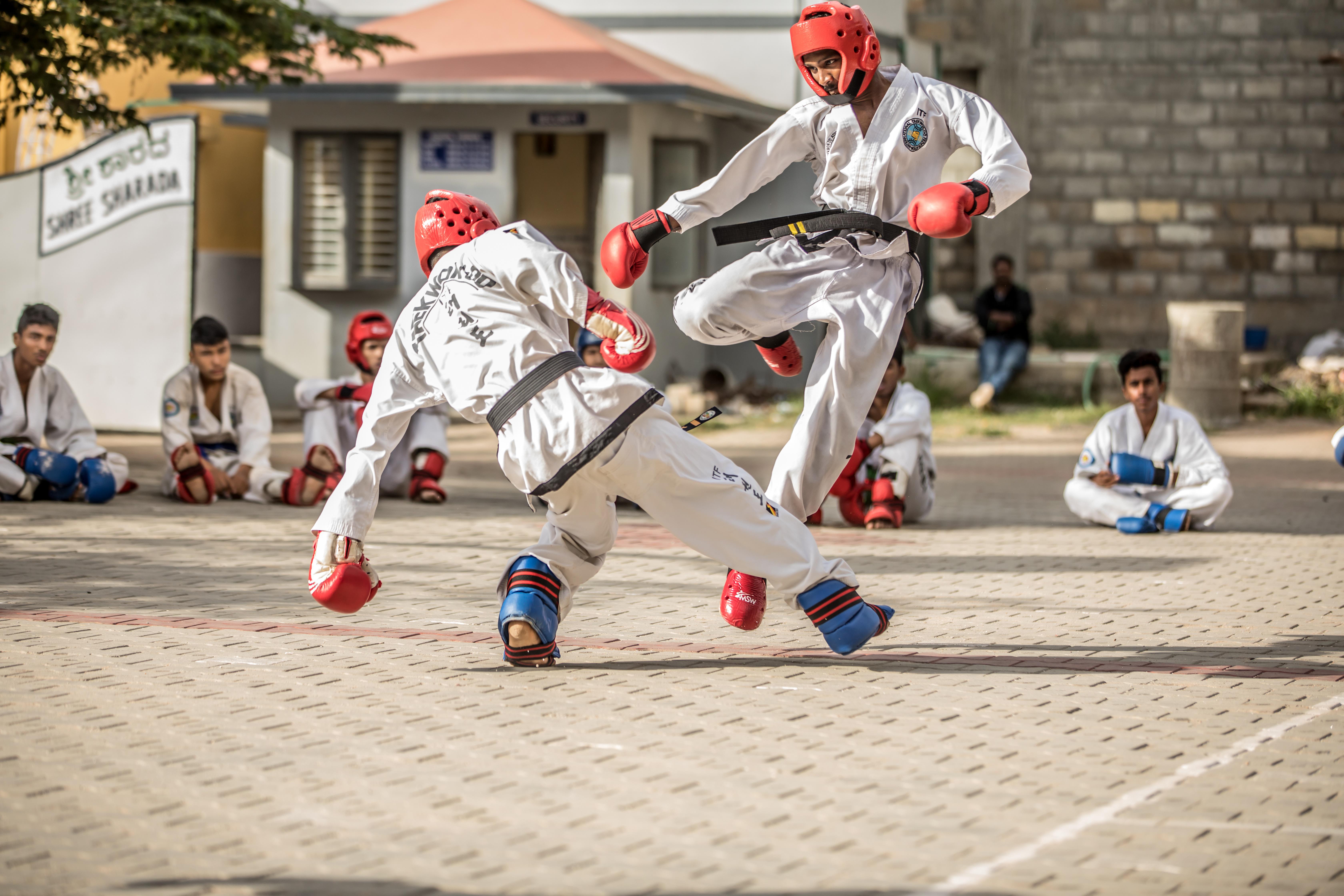
Flashy techniques, by definition, work against this. A high spinning kick requires wind-up time, exposes the lower body, and demands exceptional athleticism to execute under pressure. It might look extraordinary in a demonstration. In a real encounter, it is a liability. Matsumura Seito strips those vulnerabilities out, preferring low, stable stances, direct striking lines, and techniques that deliver maximum force along the shortest possible path.
What appears minimal to the outside eye is, internally, deeply rich. The power in a Matsumura Seito reverse punch comes not from a dramatic wind-up but from the hip rotation, weight transfer, and whole-body alignment that happens invisibly beneath the surface.
The kata as preserved truth
Matsumura Seito’s kata - its formal solo sequences - reflect this same austerity. They are compact, direct, and historically unchanged. While many contemporary styles have expanded their kata libraries with crowd-pleasing additions, Matsumura Seito guards its older, smaller canon jealously. Each kata is a repository of applied self-defense principles, not a showcase of athletic range.
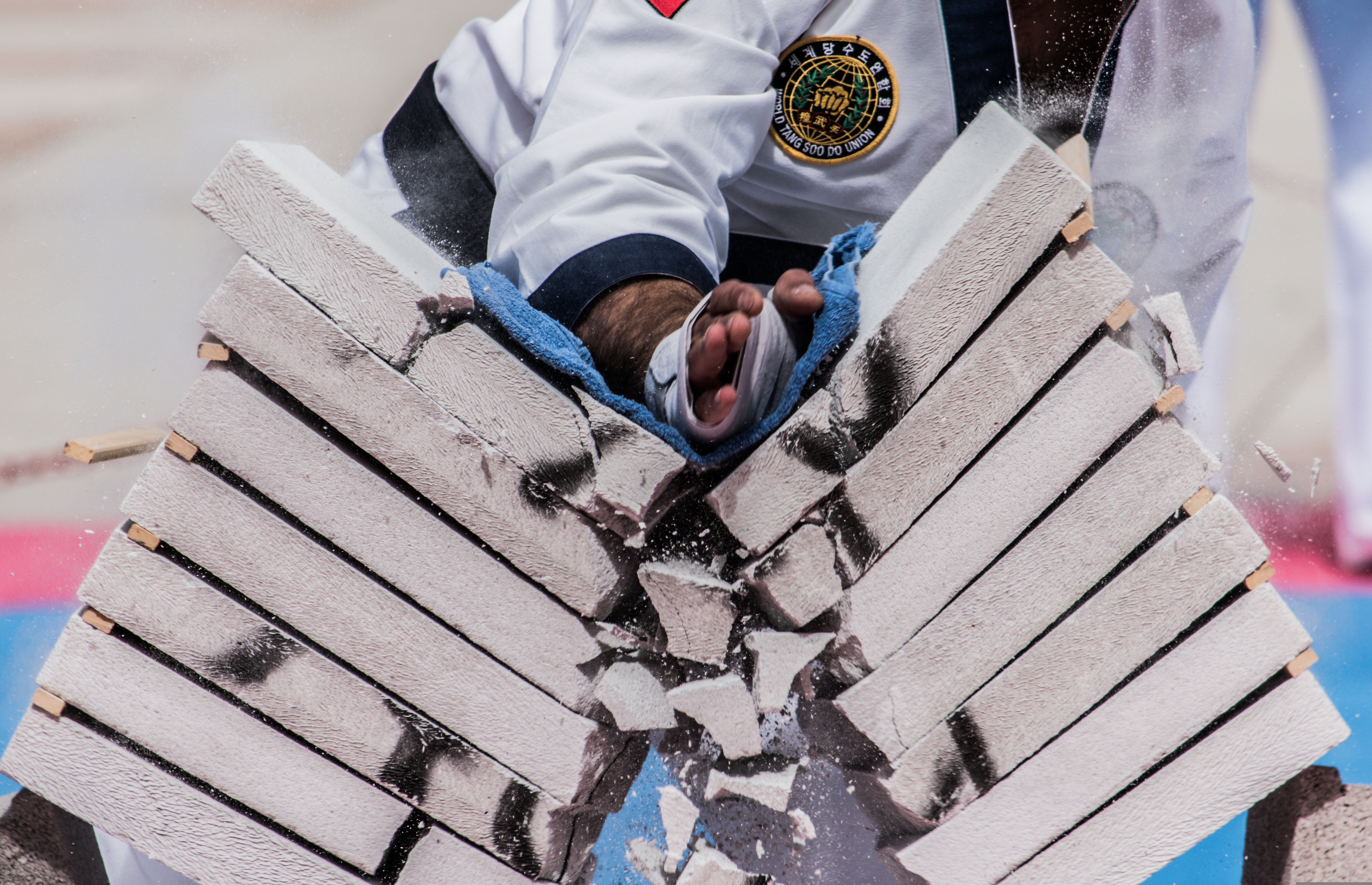
The bunkai - the applied meaning hidden within each form - often reveals surprisingly brutal, close-range techniques: joint locks, throws, and nerve strikes that would never read as impressive on a competition floor. They were never meant for a competition floor.
Stillness as mastery
There’s a deeper cultural thread here as well. Okinawan martial arts developed in a tradition where ostentatious display of power was considered a kind of weakness - a sign that the practitioner needed others to witness their ability. True mastery was meant to be private, internal, cultivated over decades. The practitioner who truly understood the art didn’t need to announce it.
Shorin-Ryu Matsumura Seito embodies that ethic completely. It is not trying to compete with the theater of modern sports martial arts, and it never was. It is doing something older, quieter, and ultimately more demanding: asking a practitioner to find depth in simplicity, and power in stillness.